
Introduction to Phone Lens Filters
In the rapidly advancing world of mobile photography, phone lens filters have become an essential accessory for both amateur and professional photographers. These filters are designed to enhance the quality of photos taken with smartphones by altering the light and colors that the camera sensor captures. Phone lens filters serve multiple purposes including reducing glare, managing reflections, and providing creative effects which otherwise would require extensive editing or high-end camera equipment.
Definition and Purpose
The concept of lens filters is not new and dates back to the early days of photography. Initially used with traditional cameras, filters have evolved over the years to become compatible with smartphone cameras as mobile photography gained popularity. The development of OEM phone lens filters by various manufacturers has democratized the art of photography, allowing anyone with a smartphone to create professional-level images with ease.
Types of Phone Lens Filters
Polarizing Filters
Polarizing filters are particularly useful for outdoor photography as they help in reducing reflections from surfaces like water and glass. By selectively filtering polarized light, these filters enhance the colors and contrast in images, making skies appear deeper blue and foliage more vibrant.
Neutral Density Filters
Neutral Density (ND) filters reduce the amount of light entering the camera sensor, allowing for slower shutter speeds or wider apertures even in bright conditions. This feature is beneficial for capturing motion blur in waterfalls or achieving a shallow depth of field in portraits under broad daylight.
Specialty Filters and Their Uses
Diffusion Filters
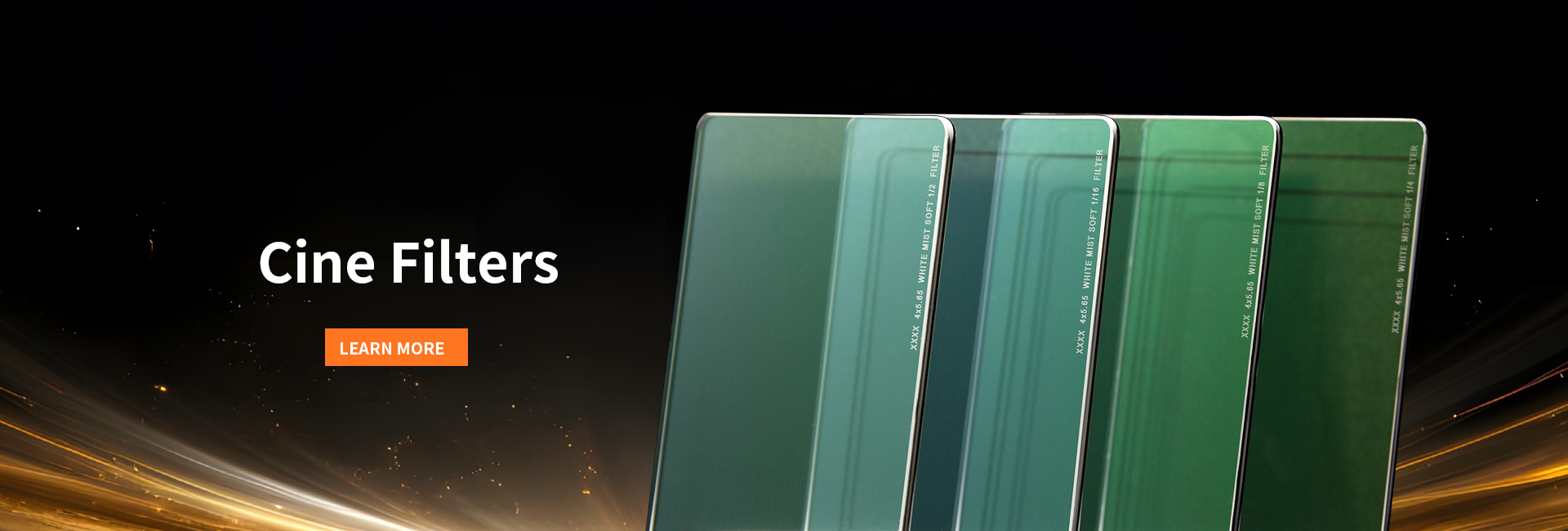
Diffusion filters soften the edges of an image, adding a dreamy, ethereal quality to photos. These filters are ideal for portrait photography as they minimize skin imperfections and create a flattering look by gently blurring the skin.
UV and Star Filters
UV filters protect the phone lens from dust and scratches while reducing ultraviolet light that can cause haziness in bright conditions. Star filters can add a sparkling effect to images by transforming light sources into star patterns.
Installation and Compatibility
Adapter vs. Magnetic Design
Users have two primary options for installing phone lens filters: adapters and magnetic designs. Adapter-based filters offer a secure fit, while magnetic filters provide a quick and easy attachment solution.
Compatibility with Phone Cases
Compatibility is crucial when selecting a phone lens filter. Many manufacturers design their products to be compatible with a variety of phone cases, ensuring that users can protect their phones without sacrificing photographic capability.
Creative Photography Uses
Landscape Photography
Phone lens filters have revolutionized landscape photography, allowing smartphone users to capture breathtaking vistas with enhanced clarity and color. Polarizing filters intensify the blue of the sky and the green of foliage, making landscapes more vibrant.
Artistic Photo Effects
Phone lens filters offer an array of possibilities for adding an artistic touch to photos. Graduated ND filters help balance exposure between the sky and ground, creating dramatic skies without darkening the foreground.
Benefits of Using Phone Lens Filters
Enhancing Photo Quality
Using phone lens filters immediately improves photo quality by managing light and reducing unwanted effects like reflections or haze. Filters ensure images are crisp, clear, and vibrant.
Reducing Glare and Reflections
Polarizing filters selectively filter out polarized light that causes reflections, reducing glare and enhancing contrast in photos.
Considerations Before Purchasing
Frequency of Use
Frequency of use should guide the purchase of phone lens filters. Casual photographers may opt for a basic set of filters, while professionals might require a more comprehensive kit.
Comparing with DSLR Camera Features
Phone lens filters have significantly narrowed the gap between smartphone cameras and DSLRs. It is worthwhile to compare the functionalities offered by both to determine which option best meets your photographic needs.
Popular Brands and Products
Top Recommended Brands
The market for phone lens filters is populated by numerous brands, each offering a range of products to suit different needs. Choosing a reputable manufacturer ensures you receive a product that enhances your photographic experience.
Price Range and Availability
Phone lens filters are available in various price ranges, reflecting factors such as material quality, brand reputation, and included features.
User Tips and Tricks
Adjusting Filters for Best Results
Experimenting with different angles and positions of filters maximizes benefits. Rotating a polarizing filter changes the intensity of glare reduction and color saturation.
Care and Maintenance
Regular cleaning and storage in protective cases prevent scratches and dust accumulation, ensuring longevity and performance of phone lens filters.
Conclusion and Future Trends
Summary of Key Points
Phone lens filters provide a versatile and convenient solution for enhancing mobile photography. They empower smartphone users to capture images at par with professional standards.
Emerging Trends in Mobile Photography Filters
Emerging trends include the development of smart filters that adjust to changing light conditions and augmented reality features simulating effects in real time.
Yinben Photoelectric: Pioneers in Optical Excellence
Hangzhou Yinben Photoelectric Co., Ltd specializes in high-quality camera filters and optical instruments, offering cinema filters, MRC UV Filter, CPL, ND Filter, and more to enthusiasts and professionals.
Post time: 2025-09-18 16:21:37
 Privacy settings