
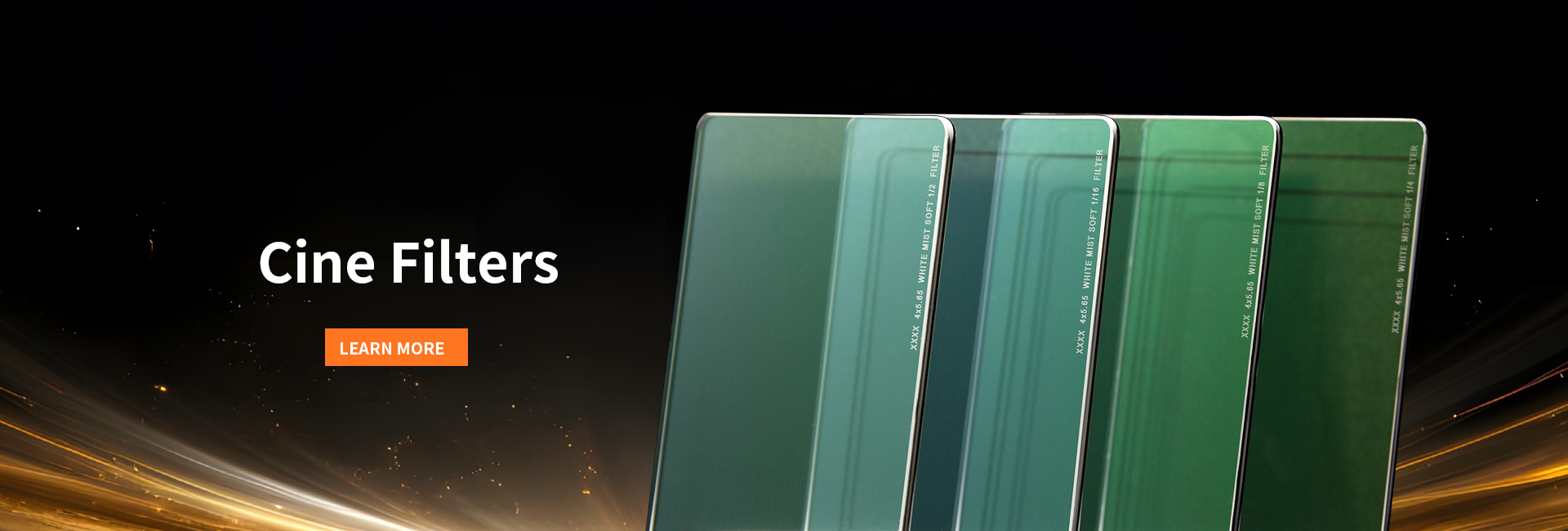
Introduction to Diffusion Filters in Photography and Cinematography
Diffusion filters are essential tools in the realms of photography and cinematography. They are crafted from optical glass or resin to soften and diffuse light, reducing contrast and adding a pleasing glow to highlights. This effect helps transform digital images into those reminiscent of classic film, enhancing the overall aesthetic quality.
Evolution and Historical Use
Early photographers and cinematographers used rudimentary methods, such as nets or stockings, to create softening effects. With technological advancements, these were replaced by precision-made diffusion filters, offering superior control over image softness and contrast.
The Mechanics of Image Softening
Diffusion filters work by scattering light, reducing sharpness—particularly beneficial in portrait photography. This minimizes skin imperfections and produces a smoother, more flattering depiction of subjects.
Enhancing Portrait Photography
These filters are invaluable for adding a dreamy, romantic quality to portraits. They reduce fine details like wrinkles, giving subjects a youthful look. OEM diffusion filter manufacturers provide a range of strengths for photographers to choose from.
Creating Halation Effects
Halation is a photographic effect where a glow surrounds image highlights. Diffusion filters accentuate this effect, enhancing both still and motion pictures' visual appeal.
- Balance filter strength and lighting to achieve desired halation.
- Manufacturers offer a range of filters for varied halation effects.
Reducing Contrast for Artistic Impact
Diffusion filters help balance dynamic range and contrast by softening highlight and shadow intensity, making them vital for high-contrast lighting scenarios.
- Use in outdoor photography to soften sunlight.
- Various filter options cater to different environmental conditions.
Types of Diffusion Filters
Diffusion filters come in many forms, each offering distinct softness and halation levels—halation-expanding, contrast-reducing, and atmospheric filters. Choosing between glass and resin filters involves considering factors like durability and affordability.
Selecting the Right Diffusion Filter
Consider effect strength, material, and brand reputation when selecting filters. Different photography styles benefit from various diffusion filter types.
Practical Applications Across Genres
Diffusion filters are useful across numerous photography and cinematography genres, from landscapes to portraits to film productions. Iconic examples highlight their enduring appeal.
Technical Considerations
Diffusion filters can affect exposure and color balance, requiring adjustments in camera settings and post-processing. Proper handling and maintenance are crucial for prolonged filter quality.
Innovations and Trends
Technological advancements in diffusion filters enhance performance. Emerging trends push the boundaries of visual storytelling, integrating digital tools with physical filters.
Conclusion: Influence on Photographic Artistry
Diffusion filters enhance photography and cinematography's artistic potential by softening images, reducing contrast, and creating beautiful halations. They play a critical role in fostering creativity and enhancing visual storytelling.
About Yinben Photoelectric
Hangzhou Yinben Photoelectric Co., Ltd specializes in producing high-quality camera filters and optical instruments. Committed to serving both enthusiasts and professionals, Yinben offers a variety of products, including cinema filters, MRC UV Filters, CPL, ND Filters, and more, all backed by advanced production and quality control.
Post time: 2025-09-18 16:16:15
 Privacy settings