
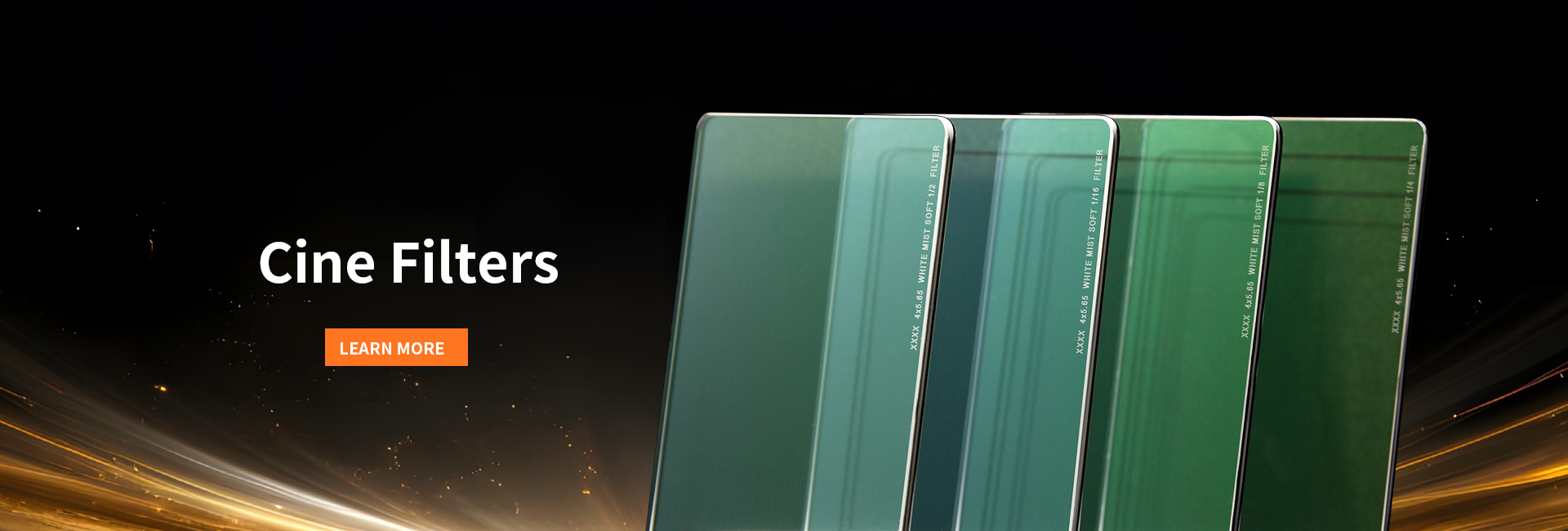
Introduction to Diffusion Filters
In the world of photography and cinematography, diffusion filters are essential tools that enhance light quality, offering a magical touch to imagery. These optical devices are prized by photographers and filmmakers for their ability to soften and diffuse light, creating a dreamy, ethereal effect. This content explores the functionality, types, and applications of diffusion filters.
Understanding Diffusion Filters
A Diffusion Filter is an optical accessory designed to scatter light, softening images captured by camera lenses. Unlike traditional filters that mainly affect exposure or coloration, diffusion filters alter the light entering the lens, reducing contrast and enhancing subjects' appearances — often producing a hazy, glow-like effect. These characteristics make them valuable in various creative and professional settings.
Historical Context and Evolution
The concept of diffusion in optics dates back to early cinematic experiments. Innovators sought to replicate the softness and warmth of natural lighting. Over the years, diffusion filters have advanced in design and materials, providing precise control over diffusion levels suitable for both amateurs and professionals.
Mechanics of Diffusion Filters
Mechanism of Light Scattering
The core function of a diffusion filter lies in its ability to scatter light. Containing microscopic particles or textures, these filters disperse light rays, disrupting their path and softening image focus. This process minimizes stark contrasts and harsh shadows, producing a balanced visual outcome.
Interaction with Lenses and Light Sources
Positioned in front of camera lenses, diffusion filters directly affect incoming light. While they primarily soften images, the effect varies with lens types and lighting conditions. Adjusting light interaction with the sensor or film allows photographers and filmmakers to achieve the desired artistic effect.
Types of Diffusion Filters
Different Materials and Designs
Diffusion filters are available in various materials and designs, each offering unique features. Common types include Frosted Glass Diffusion Filters for even light distribution, Mesh Screen Diffusion Filters known for distinct texture, and Mist Filters that mimic foggy environments.
Comparison Based on Diffusion Effects
The choice of diffusion filter significantly impacts the final image. Light diffusion, measured from mild to heavy, is crucial in selecting a filter. Subtle diffusion maintains more detail, suitable for nuanced images, while stronger diffusion creates pronounced effects for moody scenes.
Photography Applications
Softening Portrait Photography
In portrait photography, diffusion filters soften skin tones and smooth imperfections, creating a flattering look. These filters enhance subjects' innate beauty, making them essential in a portrait photographer's toolkit.
Creating Atmospheric Effects in Landscapes
Landscape photographers use diffusion filters to add ambiance and mood. By softening harsh sunlight and balancing shadows, these filters can transform ordinary scenes into ethereal masterpieces capturing nature's essence.
Cinema and Video Production Uses
Enhancing Cinematic Visuals
In cinema, diffusion filters are crucial for visual storytelling. Filmmakers use them to convey emotions and themes, with the soft glow evoking nostalgia, romance, or fantasy.
Techniques for Balancing Light and Contrast
In video production, diffusion filters help balance light and contrast, mitigating overly bright areas and enhancing shadow richness for a cohesive visual outcome.
Benefits of Using Diffusion Filters
Aesthetic Advantages in Imagery
Diffusion filters aesthetically transform images by softening transitions between light and shadow, adding sophistication often described as 'dreamy' or 'painterly'.
Technical Benefits for Photographers and Filmmakers
From a technical standpoint, diffusion filters enhance exposure control, reduce glare, and support creative experimentation with visual styles.
Choosing the Right Diffusion Filter
Factors to Consider Based on Project Needs
When choosing a diffusion filter, consider factors like the subject, lighting conditions, and desired effect. Photographers should assess diffusion strength, filter size, and compatibility with existing gear.
Popular Brands and Their Unique Features
The market offers numerous options, with brands engineering specialized diffusion filters for diverse applications. Consulting a trusted manufacturer or supplier can provide insights into selecting the most suitable product.
Challenges and Limitations
Potential Issues with Image Clarity
While diffusion filters offer many benefits, excessive diffusion may reduce image detail. Photographers must balance creative vision and image quality.
Situations Where Diffusion Filters May Not Be Ideal
For scenarios requiring sharpness and detail, like architectural photography, alternative techniques might be more suitable than diffusion filters.
Diffusion Filters in Creative Artistry
Use in Experimental Photography and Art
Beyond traditional uses, diffusion filters are popular in experimental photography and arts. Artists use them for abstract compositions and new visual expressions.
How Artists Push Boundaries with Diffusion
Innovative artists challenge perceptions by experimenting with diffusion intensity and combining multiple filters for unique visual expressions.
Conclusion
Diffusion filters are vital tools for photographers and filmmakers, enhancing visual storytelling with their light-altering features. As the industry evolves, these filters will continue to shape modern imagery aesthetics.
Yinben Photoelectric: Pioneers in Optical Innovation
Hangzhou Yinben Photoelectric Co., Ltd, established in 2010, is a high-tech enterprise specializing in camera filters, optical instruments, and lenses. Committed to quality, Yinben caters to global photography enthusiasts and professionals with a comprehensive product line, including cinema and specialty filters.
Post time: 2025-09-18 16:18:46
 Privacy settings