
Understanding the Differences: Soft Focus Lenses vs. Filters
Photography enthusiasts and professionals often seek various tools to enhance their art. Soft focus effects, which impart a dreamy quality to images, can be achieved using a soft focus lens or a soft focus filter. Despite their similar outcomes, these methods differ in mechanisms, applications, and user experience.
Introduction to Soft Focus Effects
Basic Concepts
Soft focus is used in photography to reduce fine detail contrast, creating an ethereal look. It is particularly useful in portraits to smooth skin textures and achieve flattering images.
Historical Context
The concept dates back to early photography, with techniques like smearing Vaseline on lenses. Advances have led to dedicated soft focus lenses and filters offering more precision.
Soft Focus Lenses: Definition and Purpose
Design and Structure
A soft focus lens introduces spherical aberration to create dreamy images, differing from standard lenses designed to minimize imperfections.
Common Uses in Photography
These lenses are used predominantly in portrait photography but can also add mystique to landscapes, offering versatile creative possibilities.
Soft Focus Filters: Definition and Purpose
Types of Soft Focus Filters
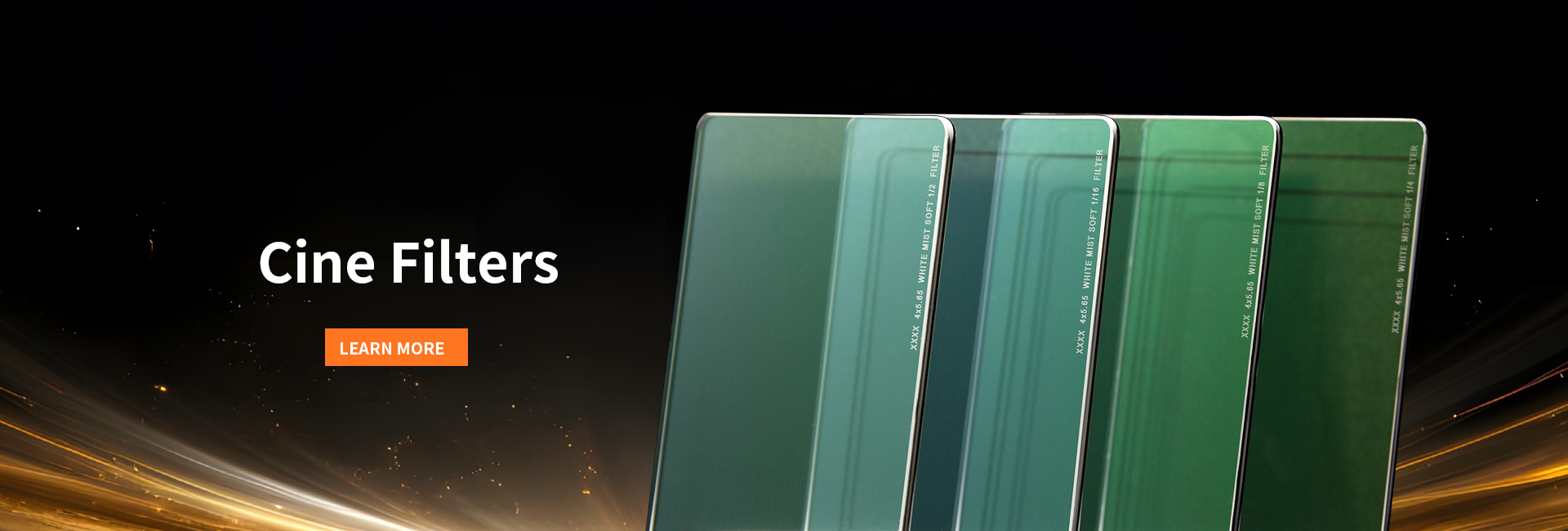
Soft focus filters attach to standard lenses, diffusing light to create a soft effect. They include diffusion, fog, and mist filters.
Difference from Other Filters
Unlike filters altering colors or reflections, soft focus filters soften images, distinguishing them from UV or polarizing filters.
Optical Mechanisms: Lenses vs. Filters
How Lenses Create Soft Focus
Soft focus lenses use spherical aberrations, scattering light before it reaches the sensor, blurring image edges.
How Filters Create Soft Focus
Filters scatter light through material, with softness varying by density and texture. Methods include embedded particles or coatings.
Control and Flexibility
- Adjustability with Lenses: Soft focus lenses offer built-in controls for softness adjustments via aperture settings or lens controls.
- Adjustability with Filters: Filters offer less control; softness is fixed but can be increased by stacking.
Image Quality and Artistic Effect
Impact on Sharpness and Detail
Soft focus lenses allow maintaining sharpness while softening selected areas, unlike filters that uniformly soften images.
Comparative Analysis
Lenses provide superior image quality and nuanced control, while filters offer flexibility and affordability, ideal for those not ready to invest in lenses.
Practical Applications in Photography
- Portrait Photography: Soft focus lenses excel at smoothing textures without losing sharpness. Filters require more post-processing.
- Landscape Photography: Both tools create dreamlike scenes, but lenses offer better edge-to-edge sharpness.
Ease of Use and User Experience
- Setting Up Lenses: Soft focus lenses require understanding for manipulation but offer unparalleled creativity once mastered.
- Using Filters: Filters are easier, attaching to existing lenses for immediate effects, ideal for quick access to soft focus.
Cost Considerations
- Price for Lenses: Soft focus lenses are costly, suitable for professionals frequently using soft focus effects.
- Price for Filters: Filters are affordable, a cost-effective way to achieve effects without dedicated lenses.
Choosing the Right Tool for Your Needs
Factors to Consider
When choosing, consider budget, photography type, and soft focus frequency. Both tools have advantages and the choice depends on individual needs.
Recommendations
Professional portrait photographers may prefer lenses for control and quality. Hobbyists or occasional users might opt for filters from a reliable soft lens filter supplier.
Conclusion
Both soft focus lenses and filters enhance photography with ethereal effects. Lenses offer control and quality, ideal for professionals, while filters are accessible and cost-effective for quick solutions.
About Yinben Photoelectric
Hangzhou Yinben Photoelectric Co., Ltd. specializes in camera filters and optical products. Established in 2010, they provide high-quality optics, including cinema, MRC UV, CPL, ND filters, and more, aiming for leadership in innovation and customer value.
Post time: 2025-09-18 16:25:33
 Privacy settings